
At a Glance
| Feature | Details |
|---|---|
| What a biome is | A region with its own climate, terrain, mobs, and resources |
| Total biome count | 60+ biomes across the Overworld, Nether, and End |
| Overworld surface | Plains, forests, deserts, jungles, oceans, tundra, mushroom islands, and more |
| Underground | Lush Caves, Dripstone Caves, Deep Dark |
| Nether | 5 biomes: Nether Wastes, Soul Sand Valley, Crimson Forest, Warped Forest, Basalt Deltas |
| The End | End islands, End highlands, End midlands, End barrens |
A biome is a distinct region in a Minecraft world with its own climate, terrain shape, block palette, vegetation, mobs, and resources. When you walk from a desert into a jungle, you are crossing a biome boundary. The grass color changes, different trees appear, new animals spawn, and even the weather and temperature shift. Biomes are what make a Minecraft world feel like it has real geography rather than one endless landscape.
Minecraft Bedrock Edition currently contains over 60 biomes spread across three dimensions: the Overworld, the Nether, and the End. Here is what you will find in each.
The Overworld is where every player starts. Its surface biomes are the ones you see the moment you spawn, and they make up the majority of the game’s biome count.
Plains, Sunflower Plains, Forests (Oak, Birch, Dark Oak, Flower Forest), Meadows, and Cherry Groves. These are the friendliest biomes for starting a base: flat terrain, abundant wood, and passive mobs like cows, sheep, and chickens. Cherry Groves are one of the newest additions, with pink cherry blossom trees and a distinct petal particle effect.
Taiga, Snowy Taiga, Snowy Plains, Ice Spikes, Frozen Ocean, and Grove. Snow covers the ground, water freezes into ice, and wolves, foxes, and rabbits are the common wildlife. Ice Spikes is one of the rarest biomes in the game, recognizable by its towering packed-ice pillars.
Deserts, Badlands (Mesa), Eroded Badlands, Wooded Badlands, and Savannas. Deserts have no rain, cacti, and desert temples. Badlands generate terracotta layers in striking color bands and are one of the best places to find gold ore near the surface.
Jungles, Sparse Jungles, and Bamboo Jungles. These are dense, tall-canopy biomes with parrots, ocelots, cocoa beans, and jungle temples. Bamboo Jungles were added alongside the panda mob and remain one of the only places bamboo spawns naturally.
Mountains (Stony Peaks, Jagged Peaks, Frozen Peaks), Windswept Hills, and Windswept Forests. These generate at high elevation, often above the cloud line. Goats spawn here, and the terrain can produce dramatic cliff faces and overhangs.
Swamps and Mangrove Swamps. Flat, wet terrain with lily pads, slimes, and witches. Mangrove Swamps are the newer variant, featuring mangrove trees with prop roots growing out of muddy terrain.
Warm Ocean, Lukewarm Ocean, Ocean, Cold Ocean, Frozen Ocean, and their Deep variants. Coral reefs, kelp forests, ocean monuments, and shipwrecks are spread across these. Warm Oceans are the only place you will find coral reefs in survival.
Mushroom Fields is the rarest Overworld biome. It generates only as an island surrounded by ocean, covered in mycelium and giant mushrooms, and is the only biome where hostile mobs do not spawn on the surface. Mooshrooms (mushroom cows) are exclusive to this biome.
The Caves and Cliffs update added biomes below the surface for the first time, making underground exploration feel as varied as the surface.
Vibrant underground spaces filled with glow berries, spore blossoms, dripleaf, moss, and axolotls. Look for azalea trees on the surface, as their roots point directly down to a Lush Cave below.
Stalactites and stalagmites made of pointed dripstone fill these caves. Drowned can spawn in underground pools, and the dripstone itself is functional: stalactites drip water (or lava) into cauldrons below.
Found at the deepest levels of the world, this biome contains sculk blocks and Ancient Cities. The Warden mob, one of the most dangerous in the game, spawns here when sculk sensors detect too much noise. The Deep Dark is one of the only biomes that is genuinely dangerous to explore even for experienced players.
The Nether contains five biomes, each with a distinct look, set of resources, and hostile mobs.
The classic Nether look: netherrack floors, lava oceans, Zombified Piglins, Ghasts, and Nether Fortresses. This is where you will find most Blaze spawners and Wither Skeletons.
Blue soul fire, soul sand, soul soil, and fossils. Ghasts and Skeletons spawn frequently. The blue flames and wide open spaces make this one of the most atmospheric biomes in the game.
A red, fungal forest with huge crimson fungi, shroomlights, and Piglins. Hoglins, which can be hunted for food, spawn here. This is the safest Nether biome for building a base.
A teal, eerie counterpart to the Crimson Forest with warped fungi and Endermen. No hostile mobs besides Endermen spawn here, making it the safest biome in the Nether.
Volcanic terrain made of basalt and blackstone. Magma Cubes spawn in large numbers. The terrain is rough and difficult to navigate, but blackstone is a useful building block found almost exclusively here.
The End is split into the central island, where the Ender Dragon fight takes place, and the outer islands, which contain End Cities, Chorus Plants, Shulkers, and Elytra. The outer islands are subdivided into End Highlands, End Midlands, End Barrens, and Small End Islands, though the visual differences between them are subtle compared to Overworld or Nether biomes.
If you want to experience Minecraft’s biome variety in a survival challenge rather than regular exploration, Dodo Studios has three worlds that use biomes as the core of their gameplay.
Skyblock Biomes Parkour turns biomes into a parkour challenge. Use your jumping skills to cross custom biome-themed islands floating in the sky, gathering loot and resources as you go to expand your skyblock base. Each island has its own biome identity, so the terrain, blocks, and hazards change as you progress. The world is multiplayer friendly, so you can take on the course with friends.
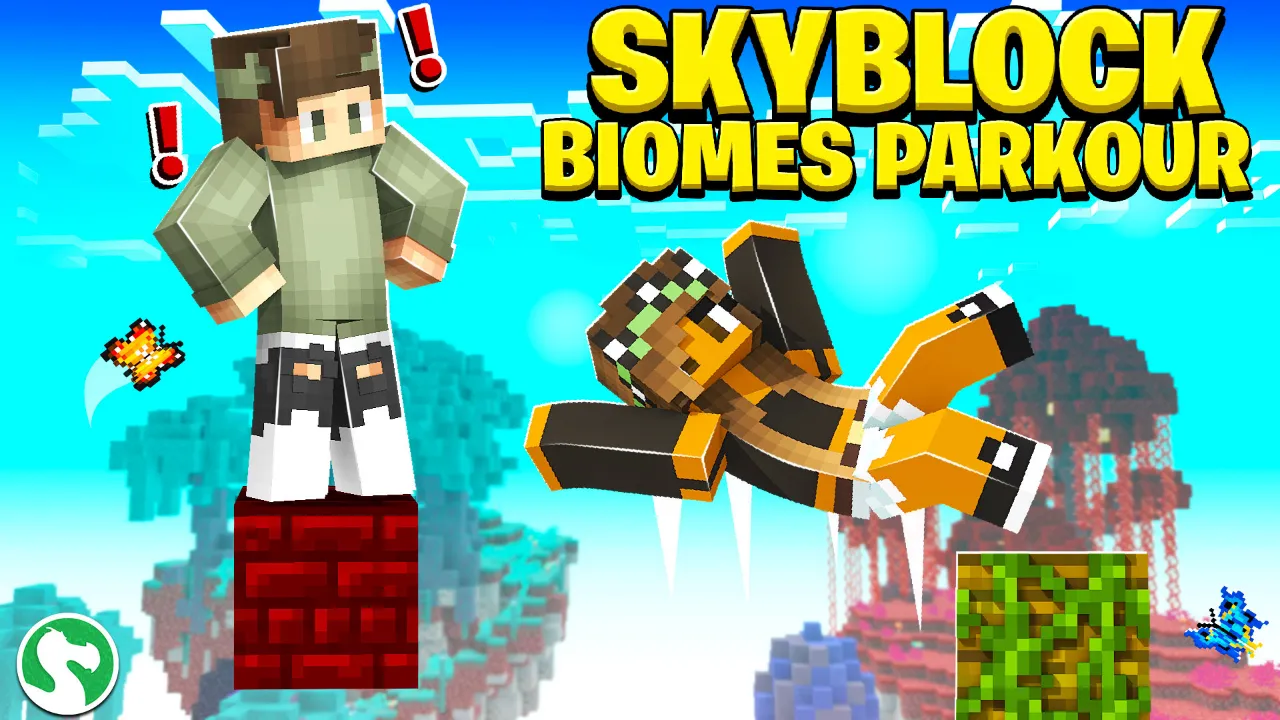
Best for: players who want parkour and skyblock survival in one world.
One Block Earth lets you build an entire Earth starting from a single block, alone or with friends. As you break and upgrade the one block, new pieces of land spawn around you, each themed after different biomes and terrain types. Explore custom islands with dungeons for extra loot, or simply watch your world grow outward as new biome sections appear.
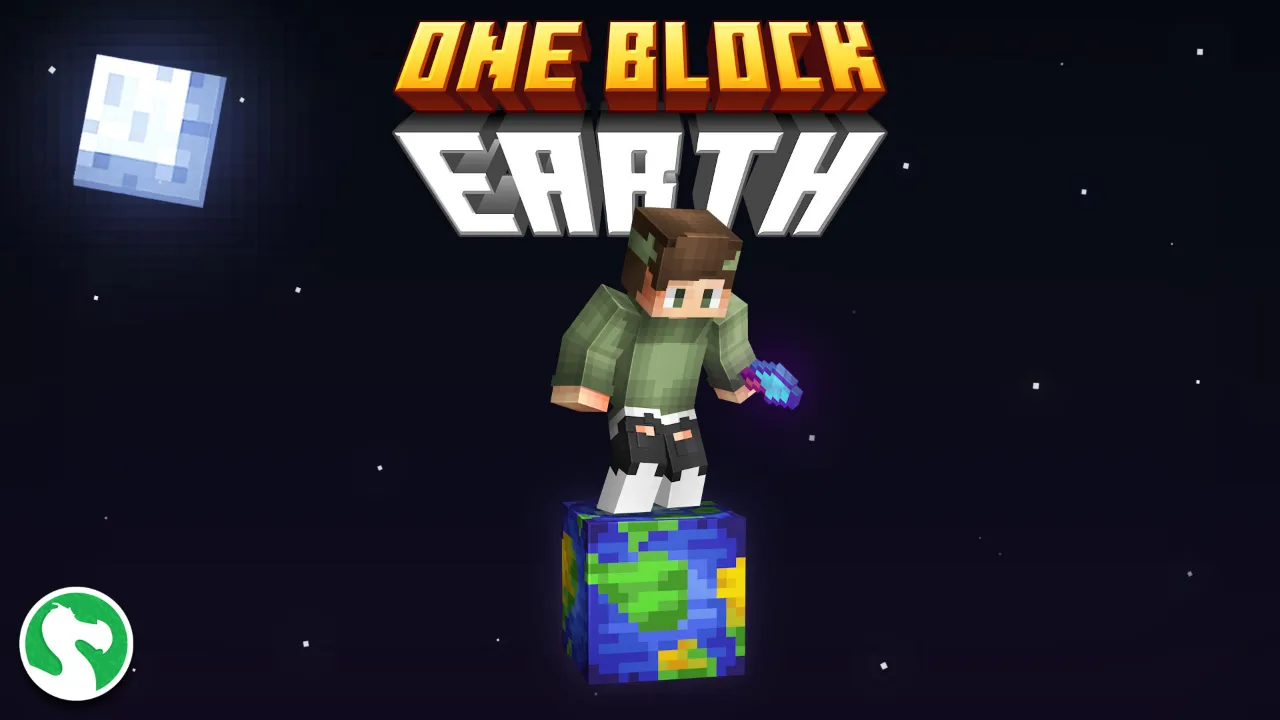
Best for: one block fans who like watching their world grow piece by piece.
Skyblock 7 Dimensions goes beyond the standard Overworld, Nether, and End with 7 fully custom dimensions, each featuring its own unique terrain, crafting recipes, items, and monsters. Discover dragons, thunderwizards, sky villagers, airplanes, and bulldozers as you explore each dimension’s floating islands. It is the most ambitious biome-scale experience on this list.
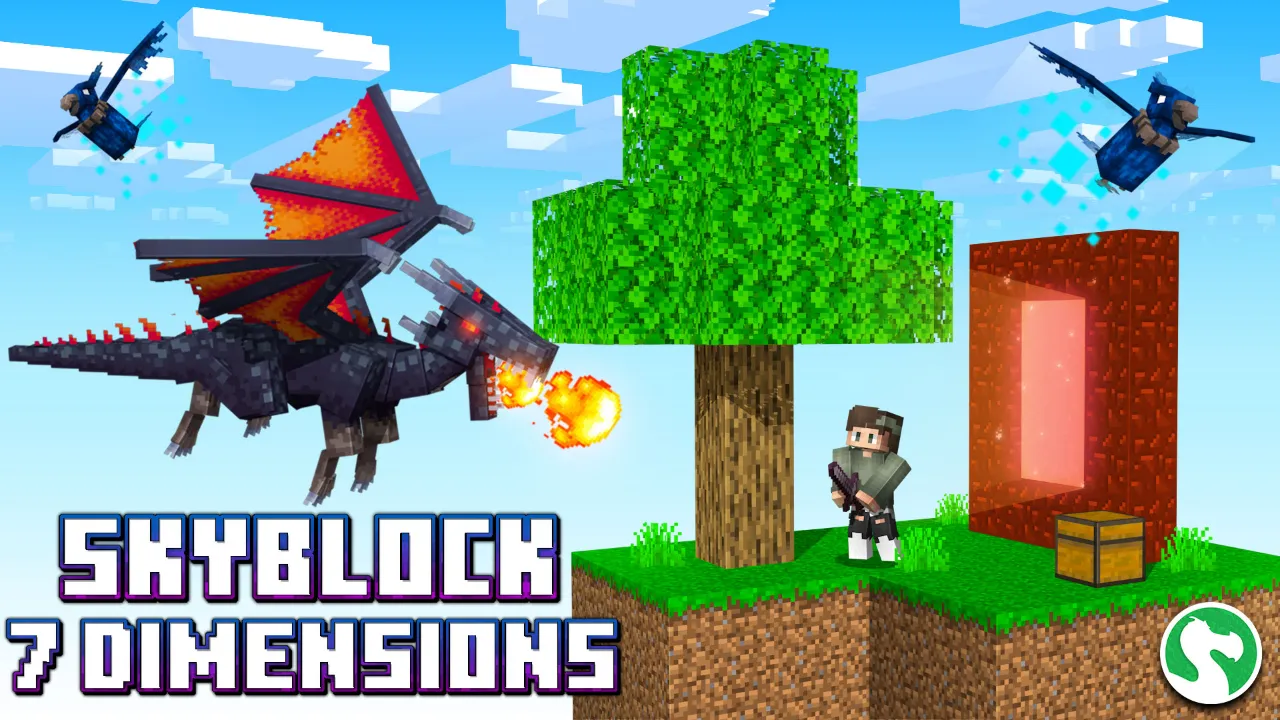
Best for: skyblock players who want new dimensions, mobs, and recipes beyond the vanilla three.
Over 60, spread across the Overworld (surface and underground), the Nether (5 biomes), and the End. The exact count increases with most major updates, as Mojang continues adding new biomes over time.
Mushroom Fields (Mushroom Island) is widely considered the rarest Overworld biome because it only generates as a small island surrounded by ocean. Modified Jungle Edge used to hold that title before it was merged with Sparse Jungle in a later update.
Not directly. Your spawn point is random, but you can use seeds to load a world where a specific biome is near spawn. Searching online for biome-specific seeds is one of the easiest ways to start near the biome you want.
Yes. Many mobs are biome-exclusive: mooshrooms only appear in Mushroom Fields, pandas only in Bamboo Jungles, axolotls only in Lush Caves, and so on. Certain structures, like desert temples, jungle temples, and ocean monuments, also only generate in specific biomes.